
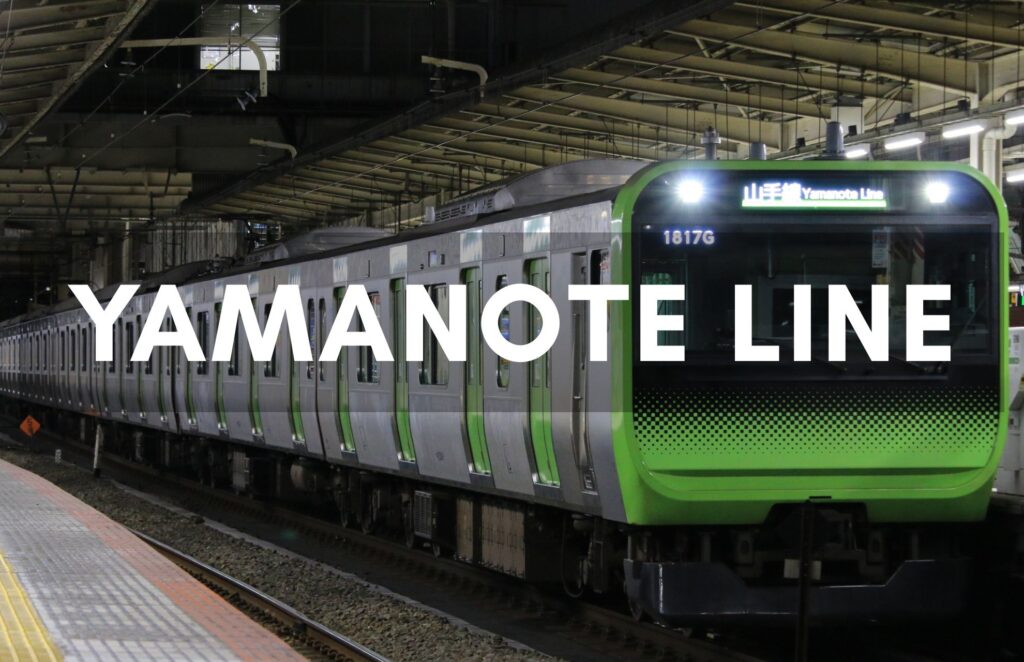
All Yamanote Line Stations (Full List)
The Yamanote Line has around 30 stations forming a loop around Tokyo
 Clockwise order (starting from Tokyo Station)
- Tokyo
- Kanda
- Akihabara
- Okachimachi
- Ueno
- Uguisudani
- Nippori
- Nishi-Nippori
- Tabata
- Komagome
- Sugamo
- Otsuka
- Ikebukuro
- Mejiro
- Takadanobaba
- Shin-Okubo
- Shinjuku
- Yoyogi
- Harajuku
- Shibuya
- Ebisu
- Meguro
- Gotanda
- Osaki
- Shinagawa
- Takanawa Gateway
- Tamachi
- Hamamatsucho
- Shimbashi
- Yurakucho
→ back to Tokyo
Ticket Prices (Normal Fares)
 Standard cost
- Usually ¥160 – ¥300 per ride depending on distance
- Full loop around the line: about ¥290
 Example fares
- Ikebukuro → Shinjuku: ~¥167
- Shinjuku → Shinagawa: ~¥208
- Ikebukuro → Shinagawa: ~¥274
 Best way to pay:
- IC cards like Suica / PASMO (tap-and-go, no need to buy tickets each time)
 Free Pass / Unlimited Ride Options
 Tokyo 1-Day Ticket (Tokyo Free Ticket)
- Price:
- Adult: ¥1,720
- Child: ¥860
- Unlimited rides for 1 day on:
- JR lines (including Yamanote)
- Tokyo Metro & Toei Subway
- Buses
Good if you travel a lot in one day across different systems
 Tokunai Pass (JR only in Tokyo)
- Price: about ¥760/day
- Unlimited rides on JR lines in central Tokyo
 Includes Yamanote Line
Best cheap option if you mainly use JR lines
 Japan Rail Pass (for tourists)
- Unlimited use of JR trains across Japan Yamanote Line is fully covered
Worth it only if you travel between cities (Shinkansen)
 Special Ticket (Haneda Airport )
- Monorail + Yamanote access: about ¥540 (one-way)
 Important Tips
 Subway passes (like Tokyo Subway Ticket) DO NOT include Yamanote Line (because it’s JR, not metro)
- Yamanote Line = backbone of Tokyo transport
- Runs every 2–4 minutes
- Full loop takes ~1 hour